
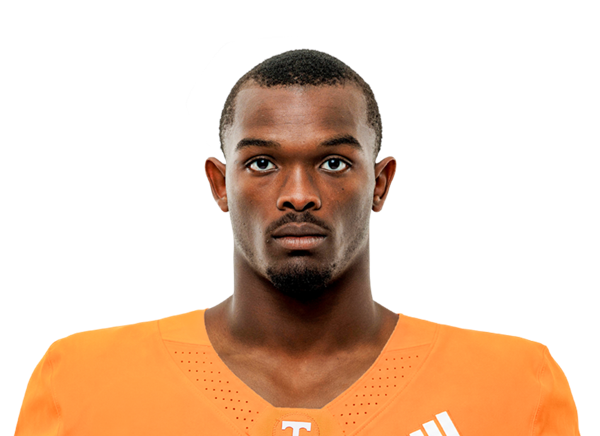
Joel Wyatt
 Tennessee
Freshman
Tennessee
Freshman
Bio
Recruiting
Scouting Report
Joel Wyatt is a 4-star Athlete from Murfreesboro, TN (Oakland) in the 2026 class. Ranked No. 71 nationally, No. 10 at ATH, No. 4 in TN. Composite rating: 0.9697. Committed to University of Tennessee since July 27, 2025.
Physical Profile
Listed at 6-4, 203 lbs. Taller than 87% and heavier than 77% of 2026 Athlete prospects in the SEC Scouts database (150 with a listed size).
Play Style
In high school Wyatt was an athlete who could line up anywhere. At Webb he rushed off the edge and was a major receiving threat. At Oakland he played deep and roaming safety, using his range and receiver hands to take the ball away, and he was dangerous on field-goal and punt blocks. On film he plays downhill, reacts late but covers ground fast, and wins contested balls at the highest point. He does his best work when the play is in front of him. Mirroring shifty receivers in man coverage and turning his hips smoothly on quick breaks are still unproven.
Strengths
- Size and length: at 6-4 with long arms he can contest balls that normal-sized DBs can't reach, which helps against big outside receivers, tight ends and red-zone fades.
- Ball skills from playing receiver: as a senior at Oakland he caught 18 passes for 337 yards (18.7 per catch) and 6 touchdowns, and he had 3 interceptions on defense, one of them in the 62-21 Class 6A BlueCross Bowl win over Ravenwood.
- Plays near the ball: 61 tackles, a sack, 3 interceptions and a fumble recovery for a 13-0 state champion, after a 2024 at The Webb School with 48 tackles, 9 TFL and 2 sacks while also catching 49 passes for 907 yards and 10 TDs on offense.
- Special teams value right away: he blocked both a punt and a kick as a senior, and special teams is where most of his early playing time at Tennessee has come.
- Rare testing for his size: a 4.31 shuttle and 96 NextGen explosion at 6-4 is why 247's Ryan Ivins compared him to Sonny Styles and projected him as a possible Day 2 draft pick.
Areas to Improve
- Cover technique: he played receiver, edge and safety in high school and has been at corner only since August 2026. His backpedal, press footwork and ability to turn and run with smaller receivers are all new and need a lot of practice reps.
- Consistency at one position: moving from ATH to edge to safety to corner (Tennessee coach Derek Jones said the move was about roster depth) means he has not settled anywhere. He needs to learn one spot well enough to earn defensive snaps and not be limited to special teams.
- Strength for his frame: at 210 on a 6-4 build he needs to add weight while keeping his speed, especially if he ends up at safety or a nickel/star role where he takes on blocks and tackles in the run game.
College Projection
He is already a true freshman on Tennessee's roster (No. 31), backing up Redmond, Lee, Poteat and Merritt at cornerback. Through the first three games of 2026 he played only a few snaps (1 defensive snap plus special teams), so treat 2026 as a special-teams and development year, with a redshirt possible under the four-game rule. His long-term position is still open. Corner is where the Vols need him now. Safety, where Anthony Poindexter has had success with tall safeties, or a big nickel/star role probably fits his frame and instincts better. A realistic path is part-time defensive snaps in 2027 and a starting job by 2028.
NFL Outlook
Legitimate Day 2 upside if he settles at one position. NFL teams value 6-4 DBs who move like he does, as Sonny Styles (Ivins' comparison) and other big hybrid DBs have shown. Whether he reaches that depends on playing time. He needs two or more productive seasons as a starter at safety, nickel or corner, and he needs to add weight while keeping the 4.5 speed. If he stays a special-teams player without a set position, his more likely outcome is a Day 3 pick valued for his size and special teams.
Best Fit
A multiple-front defense with split-safety coverage that uses a big hybrid DB in several roles: split safety, a big nickel/star against 12 personnel, and a matchup player against tight ends and big slot receivers, plus core special teams. Tennessee's in-state program and Poindexter's history with tall safeties fit him well. A scheme that keeps him at press corner full time would make the least use of his skills and expose his biggest weakness.
Player Comparison
Both share a similar physical profile at 6'4" with lean builds (Brown was around 200 lbs in high school) and elite state rankings from talent-rich regions. Brown was also a highly-rated 4-star prospect (#3 WR nationally) who had the athletic versatility to play multiple positions, demonstrating the same type of foundational athleticism and upside that scouts project despite limited positional specificity.
Current Team
University of Tennessee